
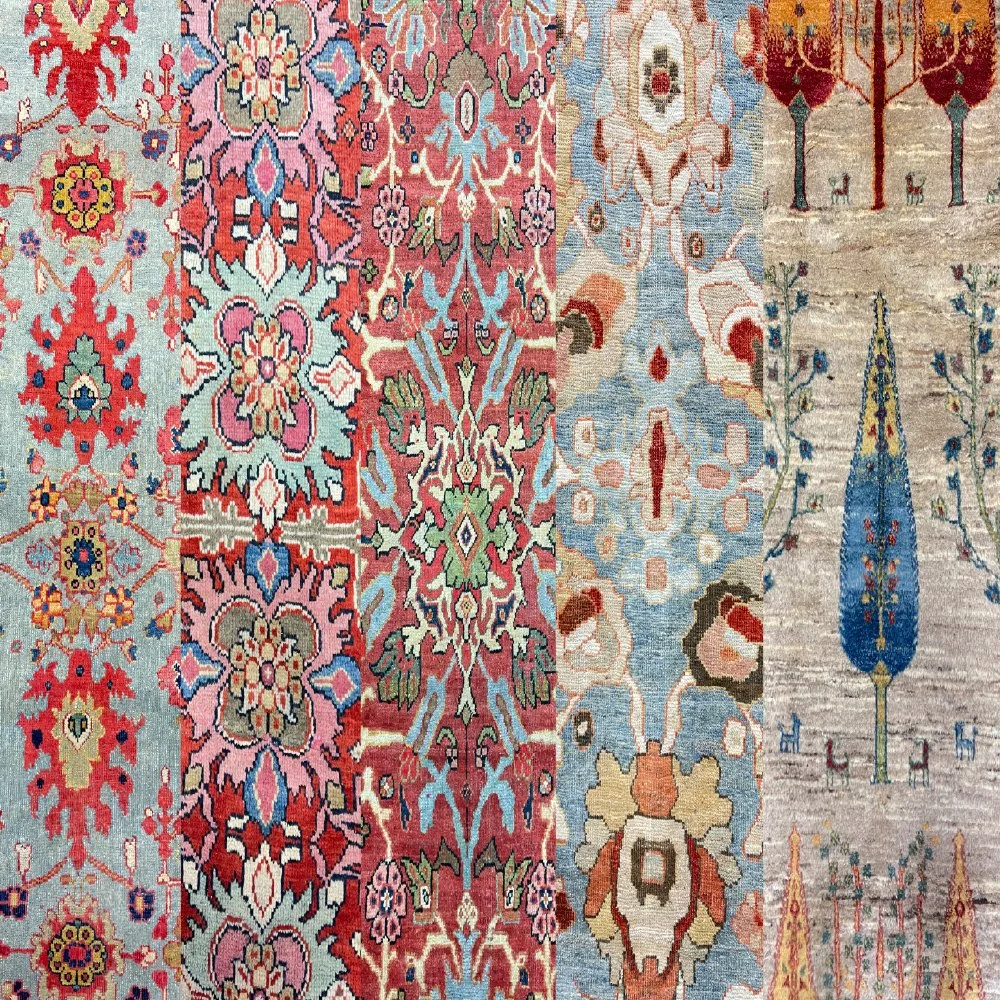
Persian rugs can trace their routes back to the 5th Century BC and throughout this time they have evolved, changed and developed. However one of the beautiful aspects of Persian rugs that hasn’t changed is their durability, and this can also lead to an important question when purchasing one. Due to their durability should I buy a modern, vintage or antique Persian rug.
Read moreBakhtiyar Rugs: The Definitive Guide

Bakhtiyar (Bakhtiari) rugs are woven by a collection of tribes that once roamed through the Chaharmahal Va Bakhtiyari province of western Iran (photographed by Iman Fazeli Farsani). As with the majority of Iran’s roaming tribes they settled in the 1900s. Despite assimilation into modern day Iran, they still hold on to distinct traditions and lifestyles, as visible in the individuality of their rugs.
Read moreBijar Rugs: The Definitive Guide
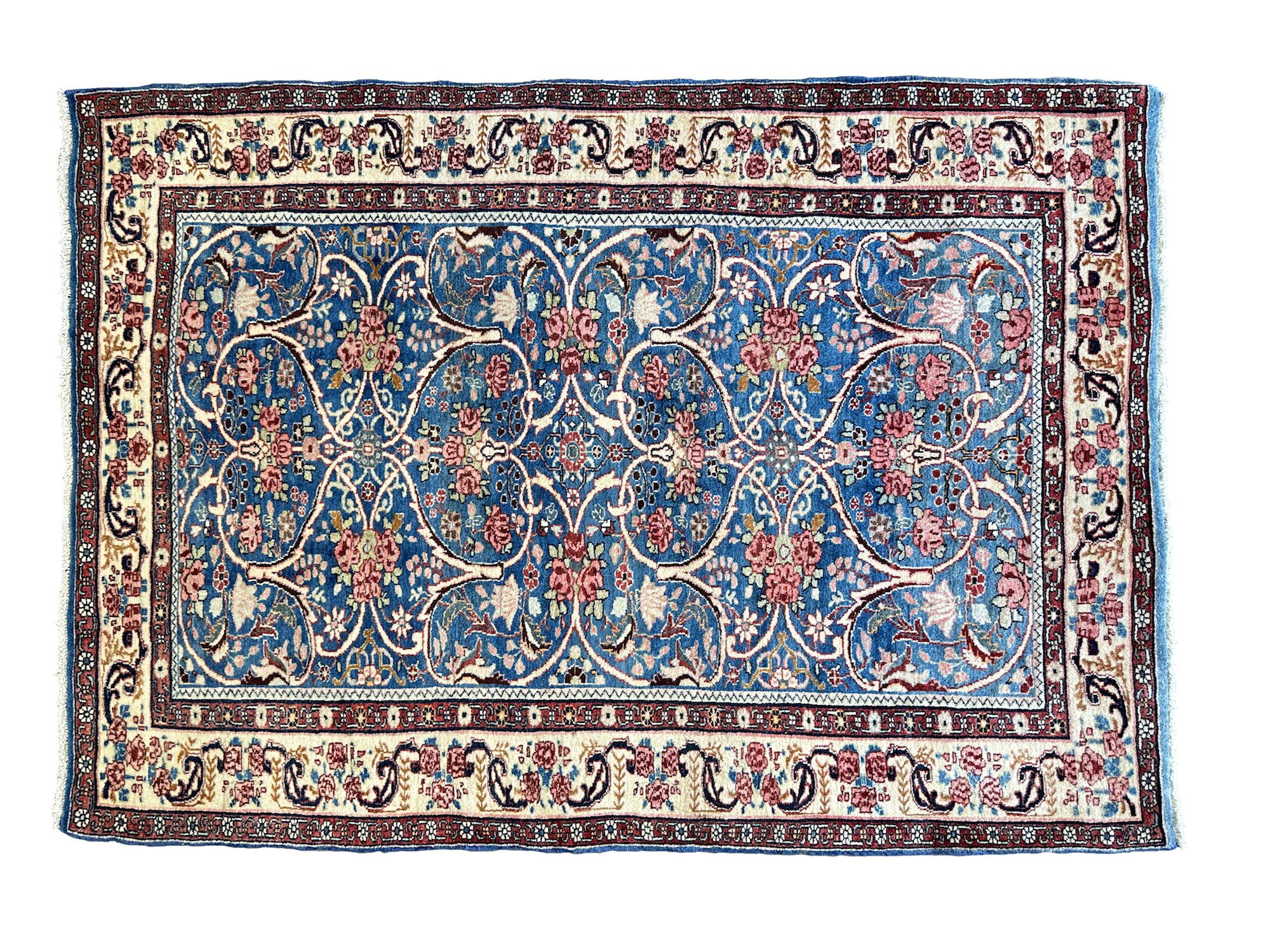
Bijar also known as Bidjar is home to some of the most durable rugs produced, famed for their fine weave, thick pile and sturdiness they have gained the nickname ‘the iron rugs of Iran”. Weaving in Bijar can trace its routes back to the Achaemenid period (550-330 BCE).
Read moreRavar Kerman Rugs; The Definitive Guide
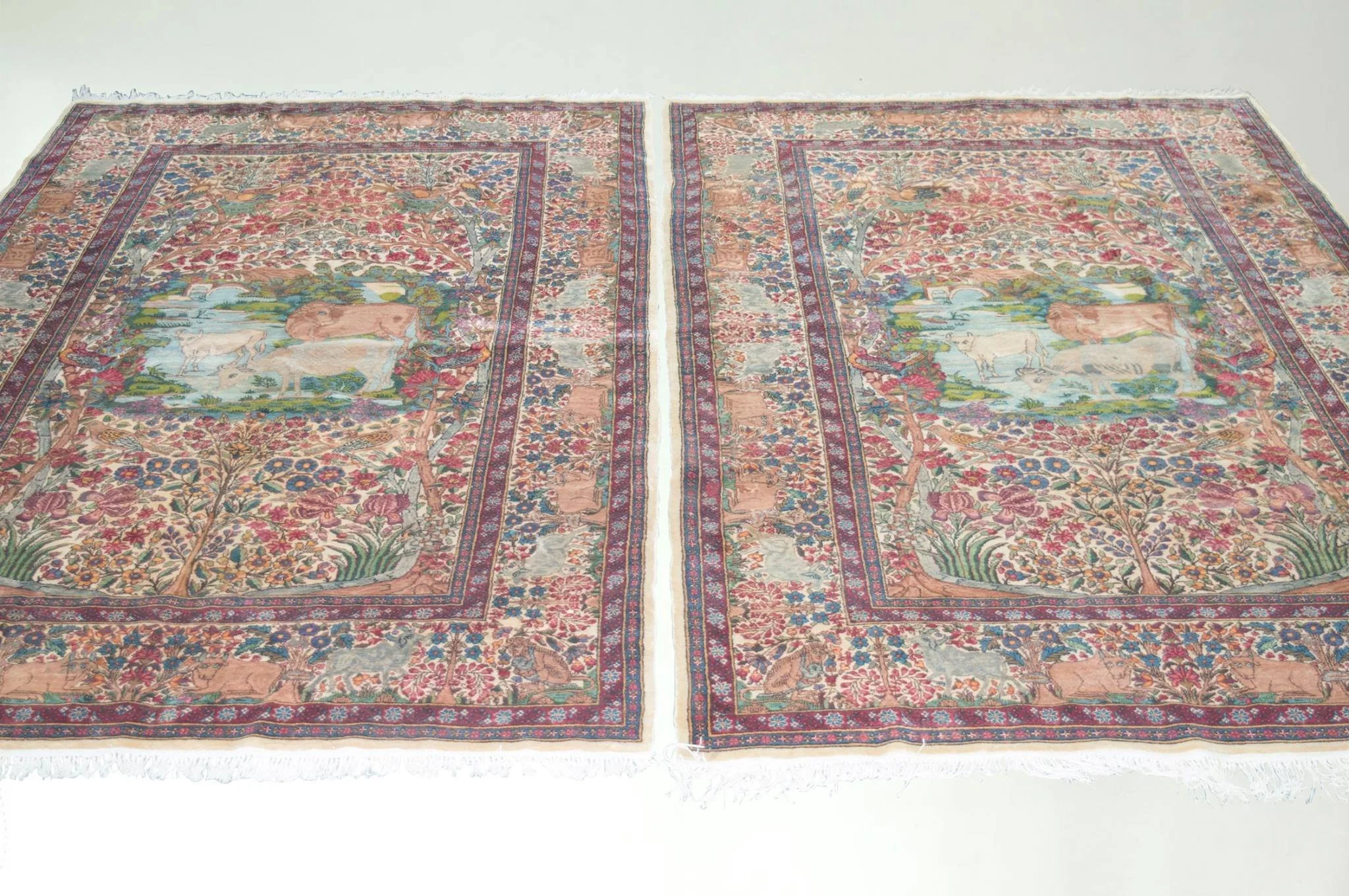
Ravar (Also Lavar) Kerman rugs were woven in the small town of Ravar, 120 miles outside of the city of Kerman and reached the height of their popularity in the 19th century. They have become rare and sought after collector pieces in today's market.
Read moreFrom the Vault: Masoud’s Esfahan Haghighi
Today we get to share something extra special, an extremely fine and historically important Esfahan rug woven by one of the greatest master weaving families; Haghighi.
Read moreTurkaman Rugs: The Definitive Guide

Turkaman rugs (also known as Bokhara rugs) are an age old favourite of the British consumer, With their deep colours and all over geometric designs they have been found in many homes across the UK.
Read moreOriental Rugs as an Investment

Today everyone is looking to make their money grow when investing, and lose as little money as possible when making a purchase. This has been even more apparent in the Persian rug trade as the sale of rare, antique and one off rugs has been increasing year on year to investors who recognise their value.
Read morePETAG Rugs: The Definitive Guide
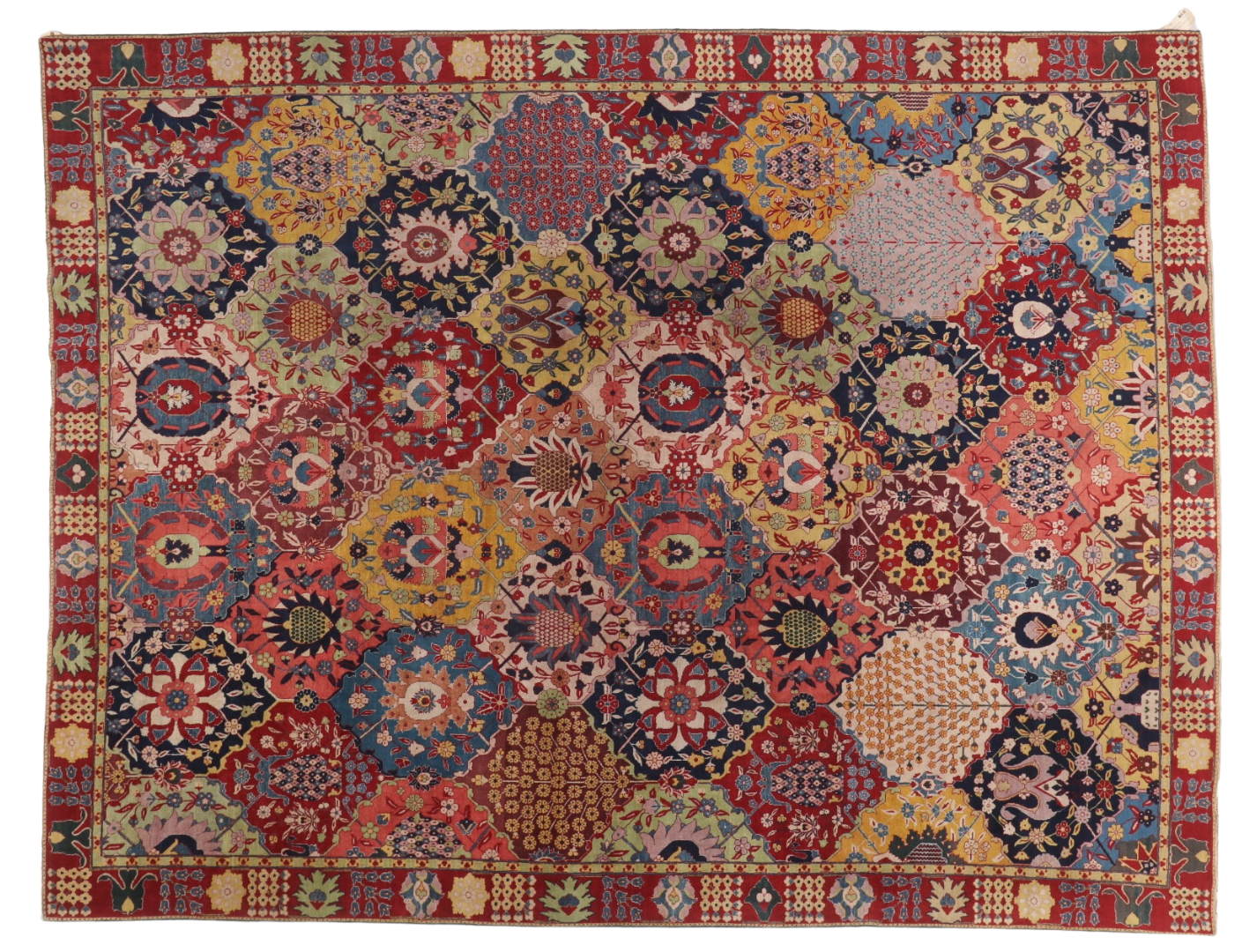
Today we explore the short but fascinating history of PETAG rugs, hailing from the ancient city of Tabriz in the North West of Persia. They’re named after their company that was set up in the early 20th Century by Heinrich Jacoby (1889-1964) in Berlin. Though they were only woven for a short period in the early 20th Century (roughly 20-25 years) they left an everlasting imprint on the history of weaving in Tabriz and are some of the more sought after rugs for collectors and connoisseurs of Persian Rugs.
Read moreIntroducing the Intricate Artistry of Souf Kashans
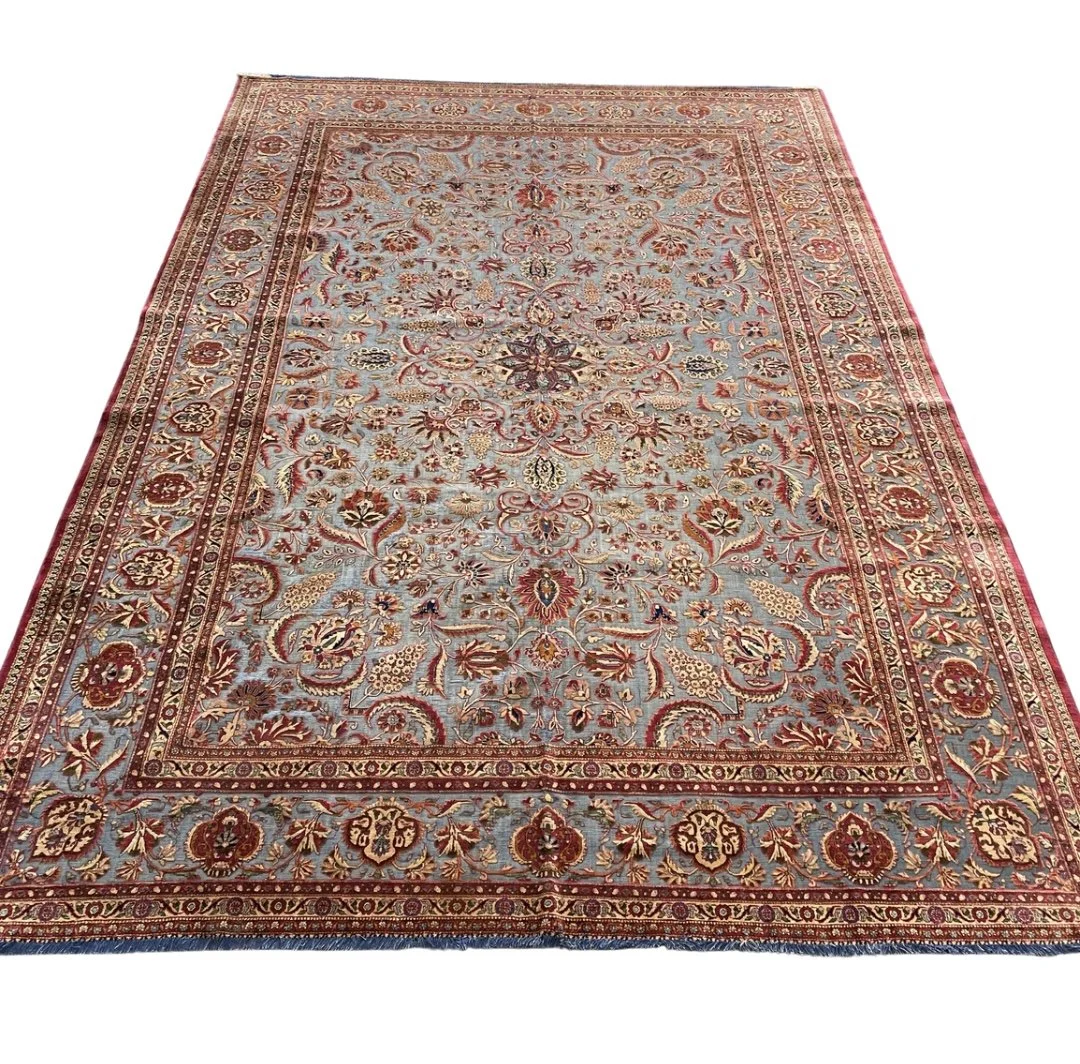
Souf Kashans, an elite sub genre of Kashan rugs that are extremely rare and very rarely seen but when they do become available they’re snapped up straight away by collectors and investors alike. They’re woven with either metal threads (Gold or Silver) or silk and then elevated silk woven rug in parts on top.
Read moreAn Easter Special From Masoud's Personal Collection
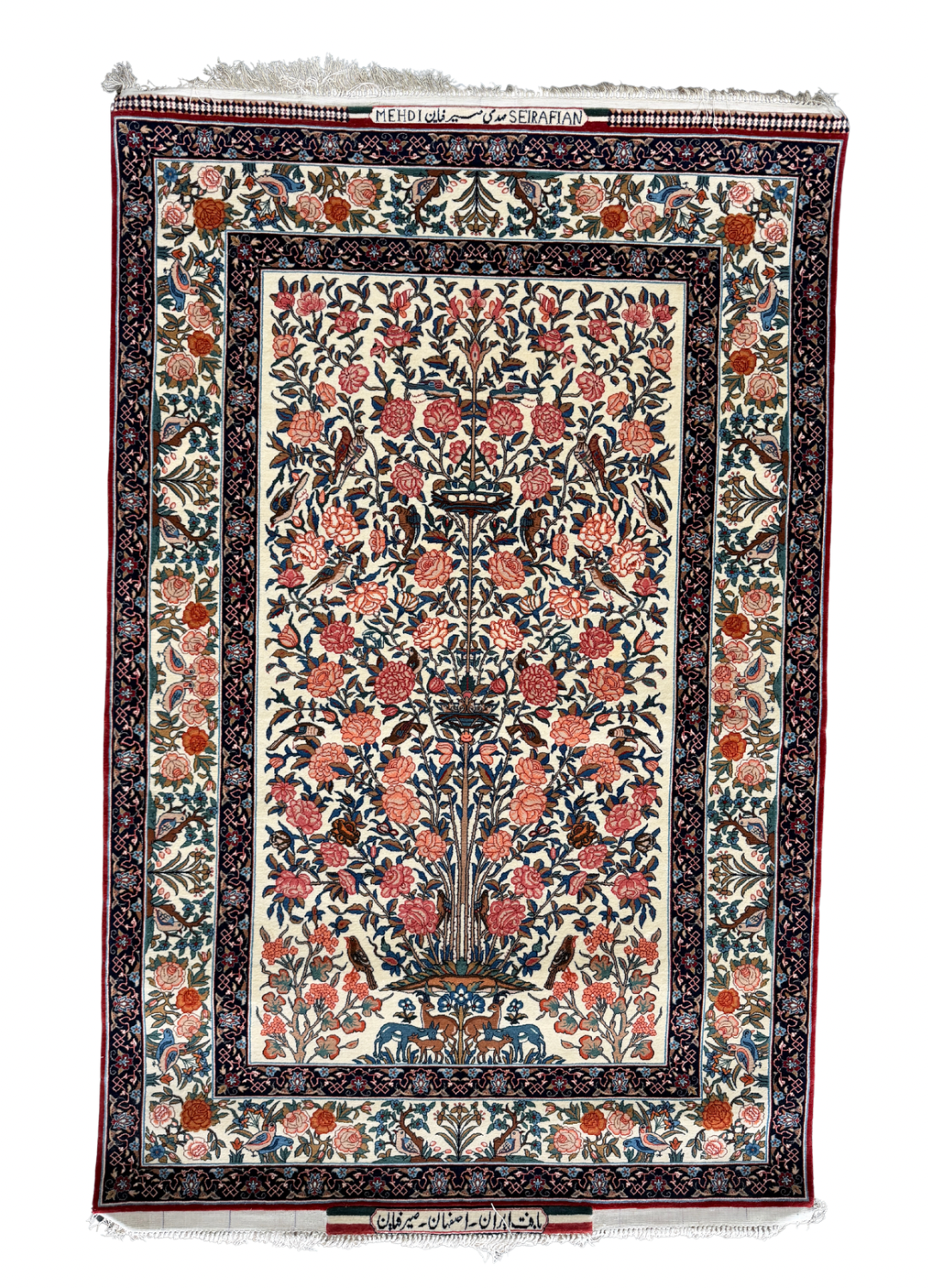
This Easter we were as a collective thinking what could we write about and then Masoud jumped up and said “I have the perfect rug! One that blends Easter and the end of the Persian New Year magnificently” and out came this gorgeous masterpiece woven by the grand master weaver Mehdi Seirafian (Son of Mohammad Seirafian, the founder of the Seirafian rug weaving empire)!
Read more
Quisque iaculis facilisis lacinia. Mauris euismod pellentesque tellus sit amet mollis.